
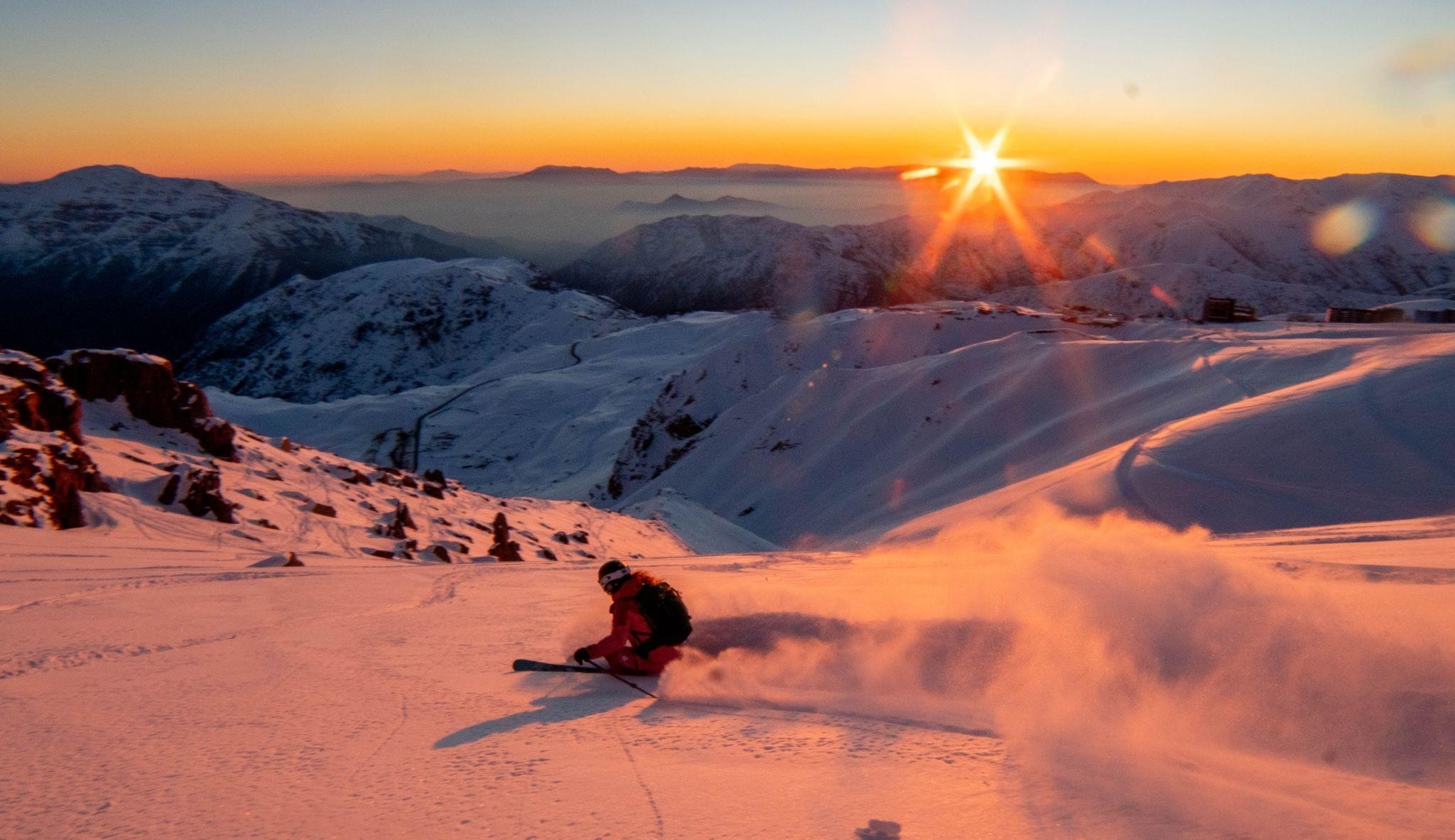
Someone Who Actually Has Your Back in the Andes
The Andes are world-class skiing. Getting the most out of them — with confidence, with the right people, and knowing that someone on the ground is genuinely looking out for you — comes down to one decision: who you go with.
You're going to be far from home. You're going to be on a mountain you've never skied, in a country where you might not speak the language, with people you're trusting to make the right calls. That's not a reason not to go — the Andes are incredible and this trip is absolutely worth making. But it does mean that who you go with matters more than almost anything else you'll decide in the planning process. This is what it actually looks like when that choice is made well.
We Know These Mountains. We Know These People. We've Got You.
The ski community in the Andes is small and tight-knit. The guides know each other. The mountain patrol knows the guides. The hotel managers, the rescue teams, the local doctors, the lift operators — everyone knows everyone. That's not a cliché. It's a practical reality that changes everything about how your trip runs.
When you travel with a company that has been operating in this community for years, you're not a transaction — you're a guest that someone is personally responsible for. Your guide isn't a seasonal hire who showed up for the winter. They live here, they work here year-round, and their reputation is built on every group going well. That creates a level of care and attentiveness that you simply can't buy from a remote operator who coordinates your trip from abroad.
"Whatever comes up — and something always comes up — we're already on it. That's what being local means."
Before you arrive, we know the conditions. We know which resort is skiing well this week and which one isn't worth the drive. We know the hotel manager by name and can get things sorted with a phone call. When you land in Santiago, there's someone there who knows exactly what the next ten days look like and has a plan for every version of it — including the version where the weather changes and we need to pivot.
That's not a service level. It's a relationship. And it's only possible when the people running your trip are genuinely embedded in the place where you're skiing.
On South America — It's Not as Far as It Feels
A lot of North American skiers have never thought seriously about skiing Chile or Argentina because it feels unfamiliar. Different continent, different language, different everything. That hesitation is understandable — and it's mostly unfounded.
Santiago is a modern, well-connected city. Bariloche is a mountain resort town with strong tourism infrastructure. The ski resorts in both countries are professionally run, the roads are maintained, and the experience on the mountain itself is world-class. The snow in the Chilean Andes is exceptional. The terrain in Patagonia is unlike anything in North America. The food and wine are genuinely great. The value compared to skiing in Europe or western Canada is remarkable.
The unfamiliarity is real — that's exactly what a good local operator is for. We take care of the pieces that feel foreign so that what you actually experience is the skiing, the landscape, and the people. That's what you came for.
Our job starts before you arrive. We answer every question, prepare you for what to expect, handle the logistics, and make sure nothing catches you off guard. By the time you land, you already know what the first morning looks like.
Chile and Argentina — Two Countries, One Exceptional Season
Chile is where most trips begin. The central zone — Valle Nevado, La Parva, El Colorado — sits within an hour of Santiago and covers a huge range of terrain and ability levels. Portillo, one of the most iconic resorts in South America, stands alone at the foot of the road to Argentina. Further south, the volcanic Andes open into something wilder: Chillán, Villarrica, Lonquimay — fewer crowds, raw terrain, and ski mountaineering that draws serious skiers from all over the world.
Argentina is the natural complement. Cerro Catedral in Bariloche is the largest resort in South America — extensive terrain, strong infrastructure, and a mountain town with real character. Chapelco near San Martín de los Andes is smaller, more intimate, and often better for groups that want a quieter experience. The Patagonian landscape around both is worth the trip on its own.
Many of our best itineraries combine both countries — a week in Chile followed by a few days in Bariloche, or a full season split between the volcanic south and the Patagonian lake district. We operate on both sides of the Andes and have the local relationships in both countries to make it seamless.
What Happens If Something Goes Wrong
It's the thing people think about and rarely say out loud. So let's answer it directly.
At the resort, ski patrol responds fast — Chile and Argentina both have well-organized mountain rescue systems at their main areas. In the backcountry, the response depends on your guides and the networks they've built over years. Our guides know the helicopter rescue protocols for every zone we operate in. They have the right numbers saved. They've coordinated evacuations before. They know which clinic in the area handles which type of injury and exactly how to get there.
But more than the logistics — you won't be handling any of it alone. If something happens to someone in your group, we take over. We communicate with emergency services, we coordinate with your travel insurance, we stay with whoever needs support until the situation is resolved. The rest of your group is taken care of. Nobody is left figuring it out in a foreign language in an unfamiliar place.
Every backcountry day starts the same way: emergency contacts, evacuation plan, go/no-go criteria for the day's terrain — reviewed with the whole group before the first step. It takes ten minutes. It means everyone is on the same page, and our guides have already thought through every version of how the day could go.
On the practical side: we're a formally registered company in Chile, with certified local guides and liability coverage valid in the countries where we operate. If your insurer needs documentation, we have it and we'll send it same day. That's the baseline — but the real reassurance is simpler than paperwork. We're here, we know this place, and we take responsibility for every group that skis with us.
What "We've Got You" Looks Like in Practice
A group of six had a backcountry day planned near Lonquimay. Overnight, conditions shifted — new wind loading on the aspects we'd planned to ski, marginal visibility at elevation. By 6am we had an alternative ready: a different zone, lower angle, still excellent snow. The clients woke up to a revised plan with a two-line explanation. They skied a better day than originally planned. That's what local knowledge produces — not just a good plan A, but a good plan B already loaded when you need it.
One of our guests took a bad fall at Valle Nevado — suspected wrist fracture. Ski patrol responded within minutes. Our guide was with the group, coordinated directly with patrol, helped the guest through intake at the resort's medical center, contacted the travel insurance, and arranged transport to the clinic in Santiago for imaging. The rest of the group continued their day with our second guide. The injured guest had one of us beside them through every step. It turned out to be a bad sprain. They were back on snow two days later — but either way, they were never navigating it alone in an unfamiliar city.
Eight skiers, varying levels, first time in South America. They came in with a rough idea: Chile first, then Argentina. We built it out — four days in the Santiago central zone, a transfer to Bariloche, four days at Catedral, one guided backcountry excursion in the volcanic south. Hotels, transfers, lift access, guiding — all handled. They had one number to text if anything came up, day or night. They spent the entire trip just skiing. That's the point.
You're Also Supporting Something Real
When you travel with a local company, your money stays in the community. The guides are from here. The hotels we work with are locally owned. The gear shops, the restaurants, the transport — it all circulates within the economies of the towns and mountain communities that make this skiing possible.
That's not a guilt trip. It's a genuine bonus. The local operators, the mountain communities, and the families who've built their lives around these mountains are the same people who make this experience what it is. Traveling with a company that's part of that community — rather than one that extracts value from it and leaves — is a better trip and a better use of your money. The quality is higher, the access is deeper, and the experience is more authentic, precisely because the people running it are invested in this place for the long term.
Frequently Asked Questions — Skiing Chile & Argentina
Real questions from skiers planning their first Andes trip. Click any to expand.
Yes — and the hesitation most North American skiers feel is mostly unfounded. Santiago and Bariloche are modern, well-connected cities. The resorts are professionally run and millions of international visitors travel here safely every year. The key is going with a locally based company who knows the mountain, the medical system, and the emergency contacts. With the right people on the ground, you're in good hands from the moment you land.
For resort skiing, you can navigate independently. For any backcountry day, a certified local guide is essential — both for safety and for getting to the best terrain. Local guides know the specific snowpack, the avalanche patterns, and the rescue protocols for the zones they work in. That knowledge takes years to build and it's not something you can substitute with research.
The season runs late June through early September. Peak conditions are mid-July through mid-August. Early July and late August are great for fewer crowds with solid snow. Heads up: the first two weeks of July are Chilean school vacation — resorts are at their busiest and accommodation books out fast. Book early or go through someone who already has the relationships.
At a resort, ski patrol responds fast. In the backcountry, it comes down to your guide's local network. A locally based guide knows the helicopter rescue protocols, the right contacts, and which clinic handles which injuries. With us, you won't navigate any of it alone — we take over, coordinate with emergency services and your travel insurance, and stay with you until everything is resolved. Nobody figures it out in a foreign language by themselves.
Chile's central zone (Valle Nevado, La Parva, El Colorado, Portillo) is high-altitude, close to Santiago, and huge in terrain. The southern volcanic zone (Chillán, Villarrica, Lonquimay) is wilder, less crowded, and incredible for backcountry. Argentina's Cerro Catedral in Bariloche is the largest resort in South America — great for all levels. Chapelco near San Martín de los Andes is smaller and more relaxed. Many of our best trips combine both countries in one visit.
Absolutely — and it makes for one of the best ski itineraries in the world. A typical setup: 4–5 days in the Chilean central zone, then a transfer to Bariloche for 3–4 days at Catedral. We operate on both sides of the Andes and handle the full trip from one point of contact. You just ski.
A Quick Checklist
Before you commit to a trip, these are the things worth confirming about whoever you go with.
Chile and Argentina — with someone who genuinely has your back.
Tell us what you're thinking — mountains, dates, level, group size. We'll tell you what's possible and take care of everything else.
Get in touch